

 By John Hyams
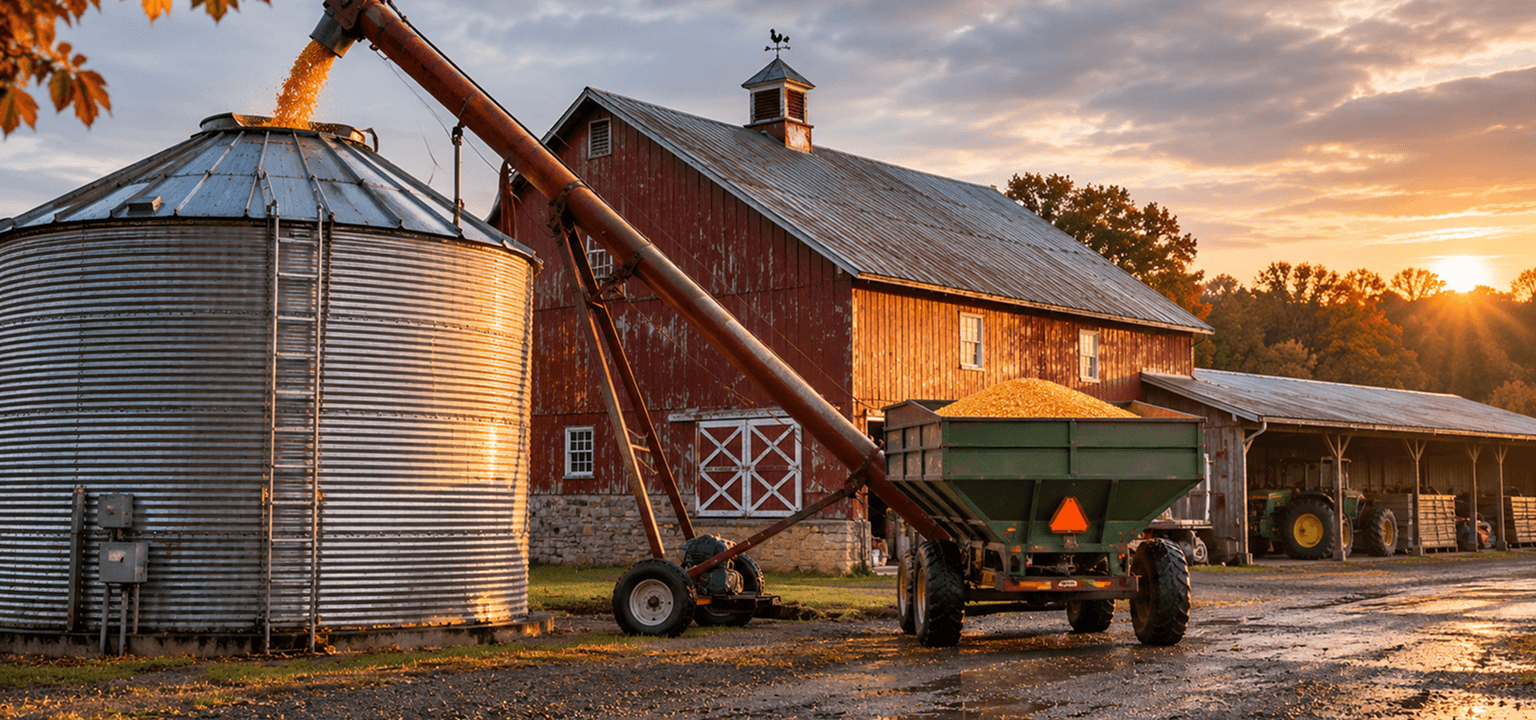
Chapter 12 bankruptcy is a reorganization chapter written only for family farmers and family fishermen. It lets a farm keep operating while it restructures land, equipment, and operating debt on a schedule that follows the harvest, not the calendar. For many Central Pennsylvania farm families, it is the most flexible tool in the Bankruptcy Code.
Congress built a separate chapter for farms because farm income does not behave like a paycheck. Milk checks swing with prices, crop revenue lands once or twice a year, and a single bad season can push a sound operation behind on loans that were reasonable when they were signed.
If an operating line has been called, an equipment lender is pressing, or the bank is talking about the land, you are not out of options, and you are not the first generation to face a hard stretch. What follows explains who qualifies, why Chapter 12 often fits farms better than the alternatives, how land, equipment, and operating debt can be restructured, and how to protect the homestead and the next generation along the way.
Who Qualifies as a Family Farmer
The income and debt tests
Only a family farmer or family fisherman with regular annual income can file under Chapter 12. The definition in the Code looks at two things. First, at least half of your noncontingent, liquidated debts must arise from the farming operation, not counting the mortgage on your home unless that debt also came from the farm. Second, more than half of your gross income must have come from farming, either in the tax year before you file or in each of the second and third tax years before. That second option helps families who had one unusual year.
Farming is defined broadly. It includes tillage of the soil, dairy farming, ranching, and raising crops, poultry, or livestock, along with livestock and poultry products in an unmanufactured state. The U.S. Courts overview of Chapter 12 adds that your income must be stable and regular enough to support plan payments.
The Chapter 12 debt ceiling
Total debts must fall below a ceiling set in the Code and adjusted every three years. It is far higher than the Chapter 13 limits, which is why many operations that are too large for Chapter 13 still qualify here. The figure in effect on the day you file controls, so it should be confirmed against the current adjustment before anything is filed.
Individuals, couples, and family entities
An individual or a married couple can file. So can a family corporation or partnership, if one family and its relatives hold more than half the ownership and run the operation, more than 80 percent of the entity’s assets relate to farming, and its stock is not publicly traded. Families who farm through an LLC or a family corporation should have the entity’s structure reviewed early, because the tests apply to the entity itself.
Family fishermen
Commercial fishing families use the same chapter. Their debt ceiling is lower, and at least 80 percent of their debts must come from the fishing operation, but the plan tools are largely the same.
Why Chapter 12 Beats the Alternatives for Farms
Payments that match harvest and sale cycles
A Chapter 13 plan generally expects a steady monthly payment. A Chapter 12 plan does not have to. Payments can be scheduled annually, semiannually, or around the months when calves, grain, or produce are sold. That matters for an operation whose cash arrives in large pieces a few times a year rather than every two weeks.
Lower cost and less complexity than Chapter 11
Chapter 11 can reorganize a farm, but it is built for businesses of every size and carries the expense and procedure that go with that. Chapter 12 is streamlined. The plan is generally due within 90 days of filing, and the Code directs that the confirmation hearing be concluded within 45 days after the plan is filed unless there is cause for delay. A standing trustee oversees the case, while you stay in possession and keep running the farm.
No creditor vote to confirm a plan
In a traditional Chapter 11 case, creditors vote on the plan, and a single large lender can hold significant leverage. Chapter 12 has no class voting. The court confirms the plan if it meets the statutory tests: secured lenders receive at least the value of their collateral or get the collateral back, unsecured creditors receive at least what they would in a liquidation and, if anyone objects, your projected disposable income for the plan period, and the plan is feasible.
Broader power over secured farm debt
Chapter 12 gives the court more room with secured claims than any other chapter offers an individual. Under Section 1222 of the Bankruptcy Code, a plan may modify the rights of secured creditors and may pay allowed secured claims over a period longer than the plan itself. Those two tools are the heart of a farm reorganization.
Restructuring Land and Equipment Debt
Writing secured claims down toward collateral value
A claim is generally treated as secured only up to the value of the collateral. If farmland or a line of equipment is worth less than the loan against it, the plan can usually treat the lender as secured up to that value and treat the rest as unsecured debt, paid alongside your other unsecured creditors. Because value decides so much, these cases often turn on appraisals, and lenders may bring their own. Farmland values, equipment condition, and the timing of the valuation all deserve careful attention.
Extending repayment beyond the plan term
This is where Chapter 12 departs most sharply from Chapter 13. A plan generally runs three years, or up to five with court approval, but long-term secured debt does not have to be paid off inside that window. A restructured land loan can be reamortized over a period that fits a long-term asset, with payments continuing after the plan ends. That can turn an unaffordable balloon into a payment the operation can carry.
Interest rates and feasibility evidence
The plan also sets the interest rate on restructured secured claims, and courts generally look for a rate that compensates the lender for the risk involved. Expect the lender to test the numbers. A confirmable plan rests on realistic production, price, and expense projections, supported by tax returns, production records, and a cash flow budget that a judge can follow.
Equipment leases and dealer financing
Equipment arrangements come in two kinds. A dealer loan secured by the machine is a secured claim that may be restructured like any other. A true lease is different: the plan can assume it and keep the equipment, or reject it and return the equipment. Some agreements called leases are actually financing arrangements in disguise, and how a contract is characterized can change your options, so each one should be reviewed individually.
Want to Talk Through Your Farm’s Options?
Chapter 12 decisions often run on the farm calendar. In a free consultation, we can look at your land, equipment, and operating debt and talk through whether a reorganization may fit.
Operating Loans, Crop Liens, and Cooperatives
Annual operating lines and liens on crops and livestock
Most operating lenders hold a security interest in crops, livestock, milk, and the proceeds of their sale. Filing does not erase that lien. In general, a lien that covered property before filing continues into the proceeds, products, and offspring of that property, although the court can limit it based on the equities of the case. Whether a lien reaches crops planted after filing is a question courts have answered differently, so the security agreements matter.
Cooperative and processor advances
Dairy cooperatives, grain buyers, and processors sometimes advance money against future deliveries or hold equity retains and patronage in the operation’s name. Those arrangements can create offsets and claims of their own. Bring the membership agreement and the most recent statements, so the plan can account for what the cooperative is holding and what it may claim.
Cash collateral and continuing to operate
Milk checks and sale proceeds that are subject to a lender’s lien are treated as cash collateral during the case. You can use them to feed cattle, buy inputs, and pay labor, but only with the lender’s consent or a court order. That order usually comes early and requires adequate protection for the lender, which in a Chapter 12 case can include periodic payments or, for farmland, a payment based on reasonable local rent. Planning this before filing helps the operation keep running without interruption.
Government program payments
Federal farm program payments, crop insurance proceeds, and disaster assistance can be part of the bankruptcy estate, and a lender’s security agreement may reach them. Federal agencies may also claim a right to offset certain payments against debts owed to the government. If you have loans with the Farm Service Agency, ask about the FSA’s loan servicing options for distressed borrowers as well, since those programs can work alongside a reorganization.
Tax Treatment That Favors Farmers
Taxes from selling farm assets
Selling land, cattle, or machinery to right-size an operation can create a large tax bill, especially on land or breeding stock that has been held for years. Outside bankruptcy, that tax would generally be owed in full. Chapter 12 changes the picture. Under Section 1232 of the Bankruptcy Code, added in 2017, a government’s tax claim arising from the sale or other disposition of property used in the farming operation is generally treated as an ordinary unsecured claim. It loses priority status, is paid through the plan alongside other unsecured debt, and can be discharged when the plan is completed.
Coordinating with a farm accountant early
This rule works best when the bankruptcy attorney and the farm accountant plan together from the start. Your accountant can estimate the tax on each potential sale, identify which assets qualify as property used in the operation, and help project the plan’s disposable income. Bring recent returns, depreciation schedules, and the last two Schedule F filings to the first meeting.
Planning asset sales inside the case
Timing matters. The treatment applies to claims arising before the petition is filed or after filing and before discharge, so a sale made in the right window, with the right paperwork, can produce a very different result than a sale made in a hurry. The Code also allows farmland and farm equipment to be sold free and clear of liens with court approval, with liens attaching to the proceeds. Before selling anything to raise cash, talk with counsel about whether the sale belongs inside the case.
Protecting the Homestead and the Next Generation
The farmhouse and residential exemptions
Pennsylvania does not offer a standard homestead exemption of its own, so protecting the farmhouse often depends on which exemption system you choose. Debtors here may elect the federal exemptions, which include a homestead exemption, or the Pennsylvania exemptions, which can protect property held by a married couple as tenants by the entireties against debts owed by only one spouse. Our guide to Pennsylvania and federal bankruptcy exemptions compares the two. In Chapter 12, exemptions also shape the liquidation comparison that unsecured creditors are measured against.
Family members with an ownership interest
On many farms, the land is owned by more than one generation. A parent may still hold title to the home farm while a son or daughter runs the operation, or siblings may own parcels together. Only the filing debtor’s interest becomes part of the case, but co-owned land, family loans, and handshake leases all need to be disclosed and handled carefully so they do not create problems for relatives.
Succession planning alongside reorganization
A reorganization can protect a succession plan rather than end it. What it cannot do is undo transfers made to keep assets away from creditors. Moving land or equipment to children shortly before filing can be challenged under the Bankruptcy Code and under Pennsylvania’s Uniform Voidable Transactions Act. Bring any recent transfers to the first conversation, and coordinate estate and succession work with the plan rather than ahead of it. A plan that keeps the operation intact is often the strongest succession tool a family has.
When Chapter 13 or Chapter 11 Fits Better
Smaller operations and hobby farms
Chapter 12 is not right for every family that farms. If off-farm wages supply most of the household’s income, the gross income test may not be met, and a small operation may be better served by Chapter 13. Chapter 13 is open to individuals with regular income whose debts fall below its secured and unsecured limits, and it can still cure mortgage arrears and restructure many debts over three to five years.
Debt above the Chapter 12 ceiling
Operations whose total debts exceed the Chapter 12 ceiling can reorganize under Chapter 11. It is more expensive and gives creditors a vote, but it has no general debt cap. The streamlined Subchapter V option within Chapter 11 has its own, lower limit, so the largest operations usually proceed under traditional Chapter 11. If you personally guaranteed loans to a farm entity, our guide for business owners facing personal guarantees explains how that exposure is handled.
Operations that need an orderly wind-down
Sometimes the numbers say the operation should not continue in its current form. An orderly exit can still protect the family. Assets can be sold through a structured process, sometimes inside Chapter 12 or Chapter 11 to capture the tax treatment described above, or the household may be better served by Chapter 7. Choosing how to step back, rather than having a lender choose for you, is a legitimate and often wise decision. Comparing each path side by side, before anything is filed, keeps that choice in your hands.
Talk Through a Chapter 12 Reorganization
Bring Your Balance Sheet and Lender Letters
Bring your balance sheet, your lender correspondence, and your last two Schedule F filings. Reorganization may remain available longer than a lender’s letter suggests, and a careful review can show which tools fit your operation before deadlines close in. Attorney John M. Hyams has practiced bankruptcy law exclusively for more than 20 years, and the firm has been recognized with Harrisburg Magazine’s Simply the Best award in 2020, 2024, and 2025. Consultations are free and confidential, available in person at seven Central Pennsylvania offices, including Lancaster, Lititz, East Petersburg, and York, or online and by phone.
Frequently Asked Questions
A family farmer or family fisherman with regular annual income. For an individual or married couple, at least half of the noncontingent, liquidated debts must come from the farming operation, more than half of gross income must come from farming in the prior tax year or in each of the second and third prior years, and total debts must fall below the Chapter 12 ceiling in effect on the filing date.
Chapter 12 has a single aggregate debt ceiling that is adjusted every three years and is much higher than the Chapter 13 limits. Because the figure changes, it should be confirmed against the current adjustment before a case is filed.
Often, yes. A corporation or partnership can qualify if one family and its relatives own more than half of it and conduct the farming, more than 80 percent of its assets relate to farming, its debts meet the farm debt and ceiling tests, and its stock is not publicly traded. How an LLC is treated should be reviewed individually.
No. Unlike traditional Chapter 11, Chapter 12 has no creditor voting. The court confirms the plan if it meets the statutory tests, including fair treatment of secured claims, protection for unsecured creditors, and feasibility.
In many cases. A secured claim is generally limited to the value of the collateral, so the plan can often treat the balance above that value as unsecured. Long-term secured debt can also be paid over a period longer than the three to five year plan.
Generally three years, or up to five years if the court approves a longer period for cause. Payments on long-term secured debt, such as a reamortized land loan, can continue after the plan ends.
Often. Under Section 1232, a government’s tax claim arising from the sale of property used in the farming operation is generally treated as a nonpriority unsecured claim, paid through the plan and discharged on completion. A farm accountant should model the result before any sale.
Yes. The family generally remains in possession and keeps operating the farm. Using milk checks or sale proceeds that a lender has a lien on requires the lender’s consent or a court order, which is usually addressed at the start of the case.
This information is provided for educational purposes and does not constitute legal advice. Every financial situation is unique, and results may vary based on individual circumstances. Whether you qualify for Chapter 12, how a particular loan, lease, lien, or tax claim is treated, and whether a plan can be confirmed depend on the facts of your operation and your case, and no outcome can be promised in advance. Debt limits and other legal thresholds change periodically and should be confirmed at the time of filing. For personalized guidance, please consult a qualified bankruptcy attorney. The Law Offices of John M. Hyams is a debt relief agency helping people file for bankruptcy relief under the Bankruptcy Code. Attorney advertising. Prior results do not guarantee similar outcomes.